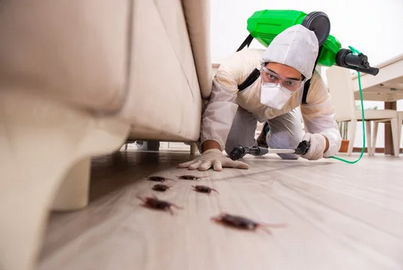
Ben’s Pest Control has evolved far beyond simple, reactive solutions. Today, property owners and facility managers are looking for smarter, more sustainable ways to manage pest problems without creating unnecessary risks or recurring issues. Integrated Pest Management, often referred to as IPM, represents this modern approach. Rather than focusing on short-term fixes, integrated pest management emphasizes prevention, monitoring, and long-term control strategies that address the root causes of pest activity.
By combining multiple methods into a single, cohesive plan, integrated pest management offers a balanced and effective solution for residential, commercial, and industrial environments. It is widely recognized as a smarter approach to pest control because it prioritizes efficiency, safety, and sustainability.
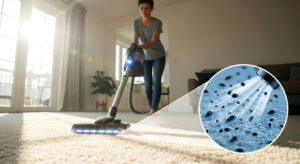
What Integrated Pest Management Really Means
Integrated pest management is a structured strategy that focuses on understanding pest behavior and environmental conditions before taking action. Instead of relying on one method, IPM integrates several techniques to reduce pest populations while minimizing disruption.
At its core, integrated pest management is about decision-making. Each step is based on observation, assessment, and thoughtful planning. This approach ensures that pest control efforts are targeted, purposeful, and aligned with long-term goals.
Why Traditional Pest Control Often Falls Short
Traditional pest control methods often focus on reacting to visible infestations. While these methods may offer temporary relief, they frequently fail to address underlying causes such as access points, moisture issues, or food sources.
Without addressing these contributing factors, pests can return quickly. Integrated pest management avoids this cycle by focusing on prevention and ongoing evaluation rather than repeated reactions.
The Core Principles of Integrated Pest Management
Integrated pest management is guided by several key principles that work together to create effective pest control outcomes. These principles ensure that actions are taken only when necessary and that they are as targeted as possible.
The main principles include prevention, monitoring, identification, threshold-based decision-making, and long-term evaluation. Together, they form a comprehensive framework for managing pests responsibly.
Prevention as the First Line of Defense
Prevention is the foundation of integrated pest management. By modifying environments to make them less attractive to pests, many problems can be avoided entirely.
Preventive measures include sealing entry points, managing sanitation, reducing clutter, and controlling moisture. These steps eliminate the conditions pests need to survive, reducing the likelihood of infestations before they begin.
Understanding Pest Behavior and Biology
A critical component of integrated pest management is understanding how pests live, reproduce, and move through environments. Each pest behaves differently, and effective control depends on this knowledge.
By understanding pest lifecycles and habits, IPM strategies can be timed more effectively. This ensures that control efforts target pests when they are most vulnerable, improving results and reducing unnecessary actions.
Monitoring and Inspection in IPM Programs
Monitoring is an ongoing process in integrated pest management. Regular inspections help detect early signs of pest activity and track changes over time.
This information allows for informed decision-making. Instead of responding to assumptions, IPM relies on real observations to guide actions, ensuring that pest control efforts are accurate and effective.
Identification Before Action
Accurate pest identification is essential in integrated pest management. Different pests require different strategies, and misidentification can lead to ineffective or unnecessary measures.
IPM emphasizes correct identification before any action is taken. This step ensures that strategies are appropriate and aligned with the specific pest problem being addressed.
Thresholds and Decision-Making
Integrated pest management uses threshold levels to determine when action is necessary. Not every pest sighting requires intervention. In some cases, low-level activity does not pose a risk.
By setting thresholds, IPM avoids overreacting. Action is taken only when pest activity reaches a level that could cause harm or disruption. This measured approach supports efficiency and sustainability.
Targeted Control Methods
When action is required, integrated pest management focuses on targeted control methods. These methods are chosen based on effectiveness and minimal impact rather than convenience.
Targeted strategies reduce disruption to non-problem areas and support long-term prevention. This approach ensures that pest control efforts are precise rather than broad or excessive.
Environmental Management as a Long-Term Solution
Environmental management is a key element of integrated pest management. By adjusting environmental conditions, pests are naturally discouraged from settling in an area.
Improving ventilation, managing waste, and maintaining landscaping all contribute to a less favorable environment for pests. These changes support lasting control without repeated intervention.
Reducing Reliance on Reactive Measures
One of the biggest advantages of integrated pest management is reduced reliance on reactive measures. Because IPM focuses on prevention and monitoring, the need for urgent responses decreases over time.
This shift leads to more stable pest control outcomes and fewer disruptions. Integrated pest management replaces uncertainty with consistency and planning.
Integrated Pest Management in Residential Settings
In homes, integrated pest management supports healthier living environments. Families benefit from fewer pest problems and a reduced need for repeated interventions.
IPM strategies in residential settings focus on cleanliness, maintenance, and early detection. These simple but effective practices deliver long-term protection and peace of mind.
Integrated Pest Management for Commercial Properties
Commercial environments benefit greatly from integrated pest management. Businesses face higher risks due to traffic, storage, and operational complexity.
IPM provides a structured approach that supports compliance, protects reputation, and minimizes disruption. Ongoing monitoring and prevention ensure that pest risks are managed proactively.
Safety and Sustainability in IPM
Safety and sustainability are central to integrated pest management. By focusing on prevention and targeted action, IPM minimizes unnecessary exposure and environmental impact.
This approach aligns with modern expectations for responsible pest control. Integrated pest management supports long-term environmental health while delivering reliable results.
The Role of Education and Awareness
Education is an essential part of integrated pest management. Property owners, employees, and residents all play a role in prevention.
Understanding how pests are attracted to environments empowers people to make better decisions. Education transforms pest control into a shared responsibility rather than a one-time service.
Continuous Evaluation and Improvement
Integrated pest management is not a static process. It relies on continuous evaluation to ensure effectiveness over time.
Regular reviews allow strategies to adapt to changing conditions, seasonal patterns, and evolving pest behavior. This flexibility is what makes IPM a smarter approach.
Cost Efficiency of Integrated Pest Management
Although integrated pest management focuses on long-term solutions, it also offers financial benefits. Preventing infestations is far less costly than addressing widespread problems.
Over time, IPM reduces emergency situations, property damage, and repeated interventions. This makes it a cost-effective choice for both homes and businesses.
Protecting Property and Assets
Pests can damage structures, inventory, and equipment if left unchecked. Integrated pest management protects these assets by addressing risks early.
By preventing pests from establishing themselves, IPM supports property longevity and reduces repair and replacement costs.
Supporting Health and Comfort
Pest-free environments are healthier and more comfortable. Integrated pest management reduces contamination risks and supports better hygiene.
This proactive approach enhances quality of life for residents and creates more pleasant spaces for employees and customers alike.
Why Integrated Pest Management Is the Future
As awareness of sustainability and safety grows, integrated pest management continues to gain importance. Its balanced, thoughtful approach aligns with modern values and expectations.
IPM represents the future of pest control because it combines knowledge, planning, and responsibility. It offers reliable protection without unnecessary disruption.
Integrated pest management is a smarter approach to pest control because it focuses on prevention, understanding, and long-term success. By combining monitoring, environmental management, and targeted action, IPM delivers effective and sustainable results.
Rather than reacting to problems as they arise, integrated pest management empowers property owners to stay ahead of pest risks. With its emphasis on safety, efficiency, and adaptability, IPM stands as a modern solution for maintaining pest-free environments in an ever-changing world.